Industrial Weighing Scales: Types, Capacities and How to Choose One
Industrial weighing scales explained: 7 types from bench to truck scales, typical capacities, accuracy classes, IP ratings, NTEP rules and how to choose one.
89 guides · 6 industries
Every Scale Blog guide in one place: livestock, industrial, shipping, retail and laboratory scales — how they work, what they cost and how to choose.
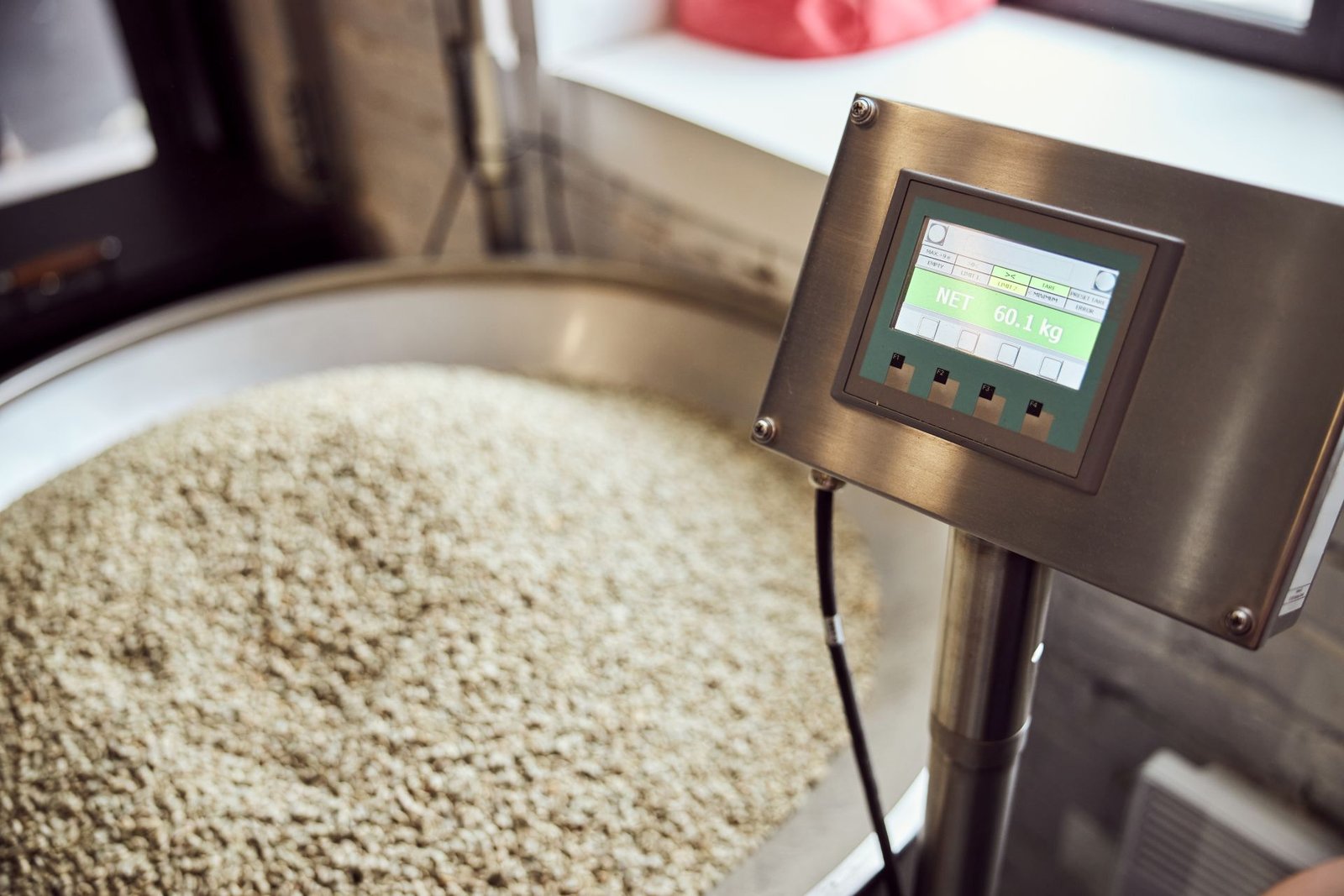
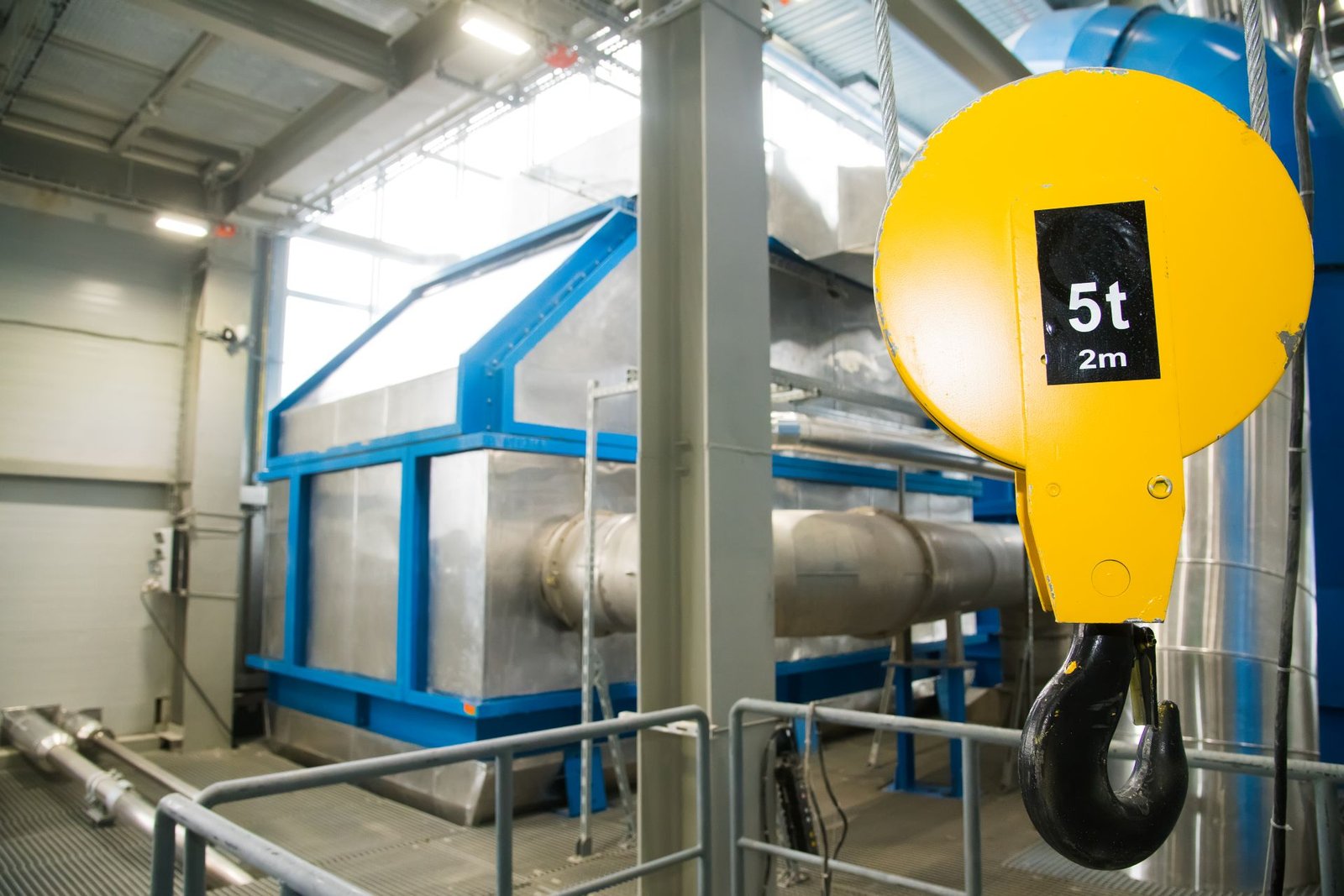
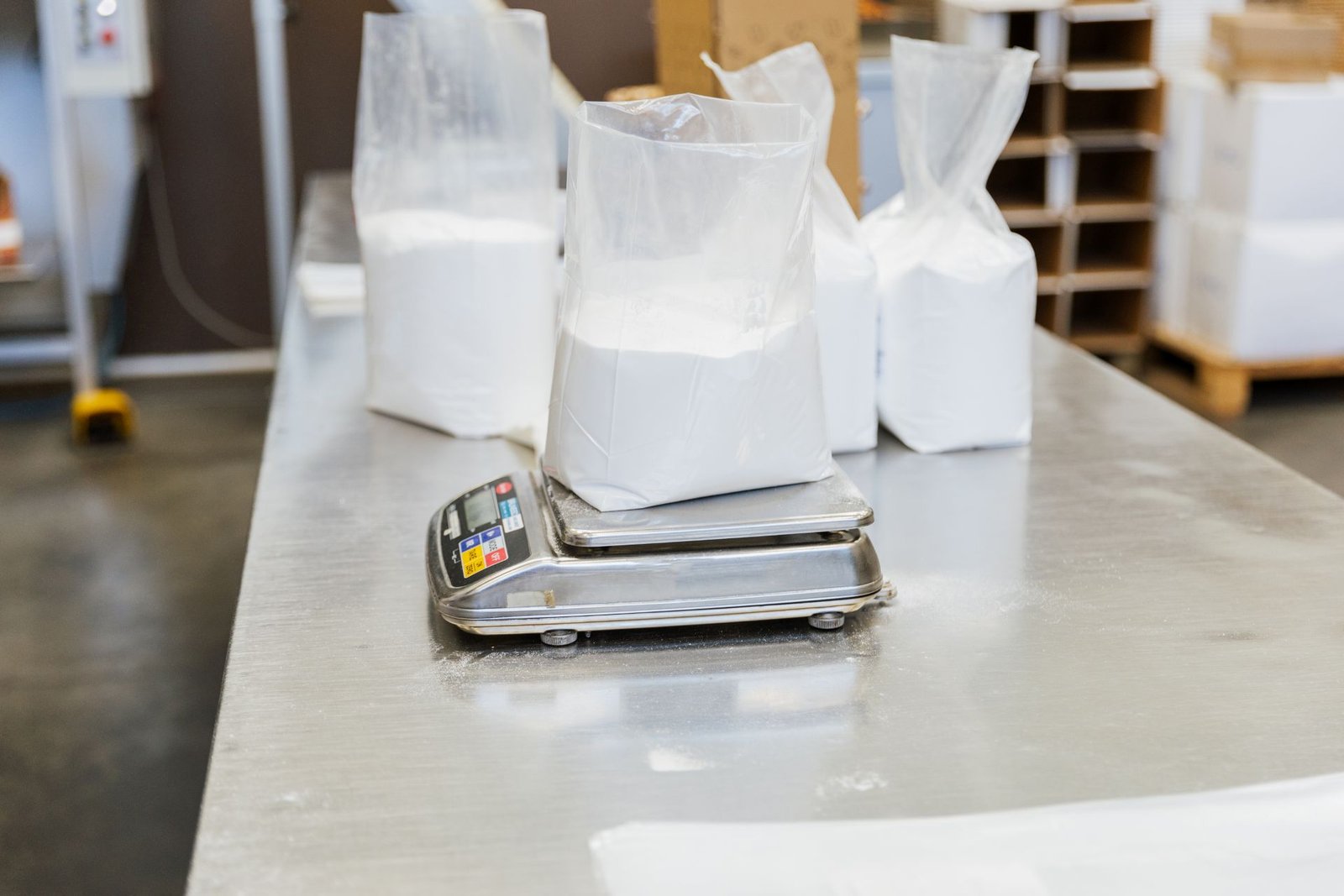
Industrial weighing scales explained: 7 types from bench to truck scales, typical capacities, accuracy classes, IP ratings, NTEP rules and how to choose one.
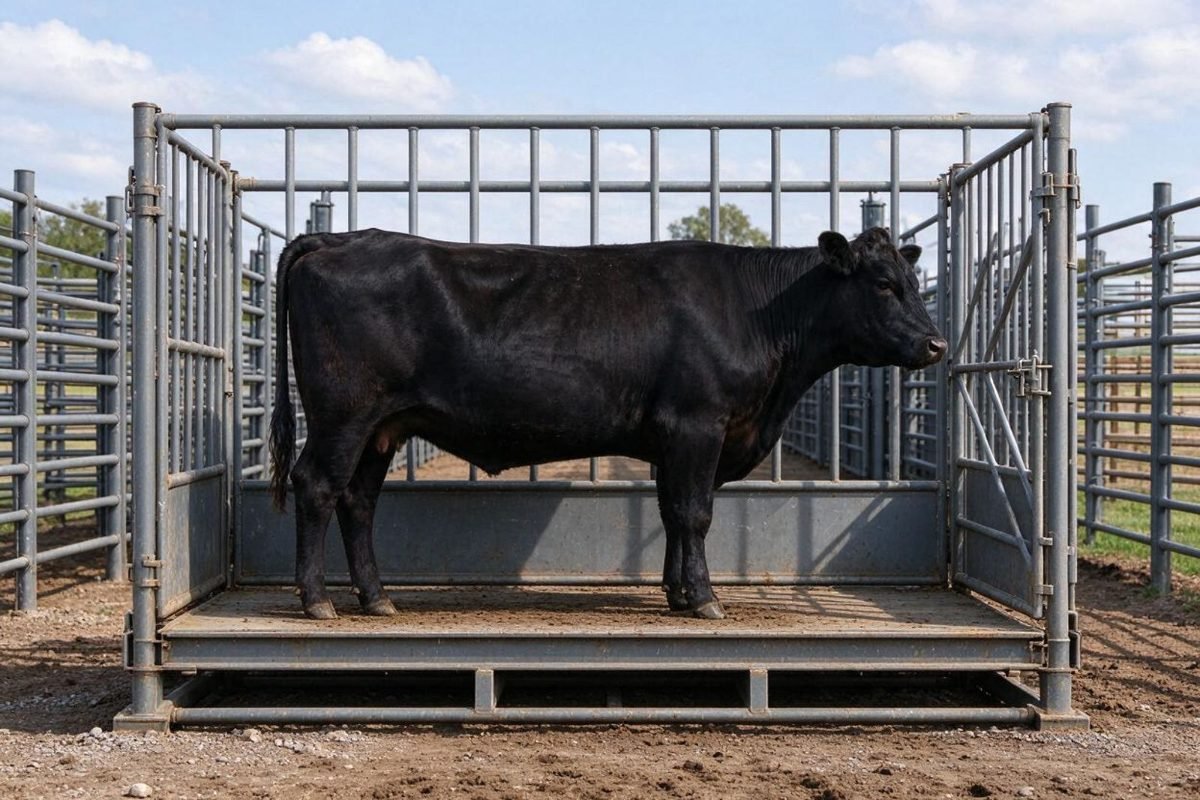
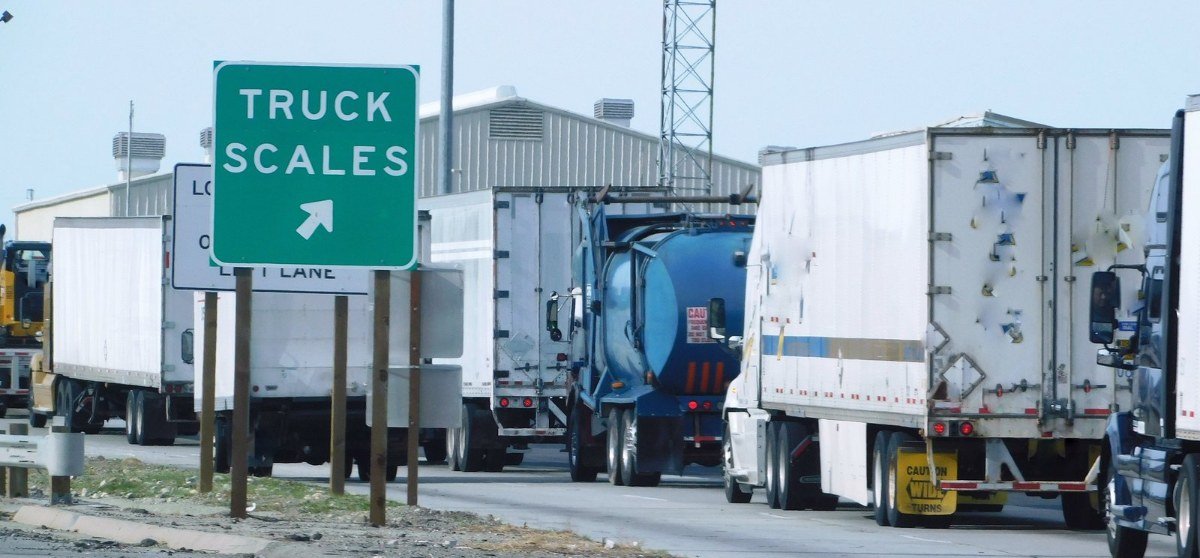
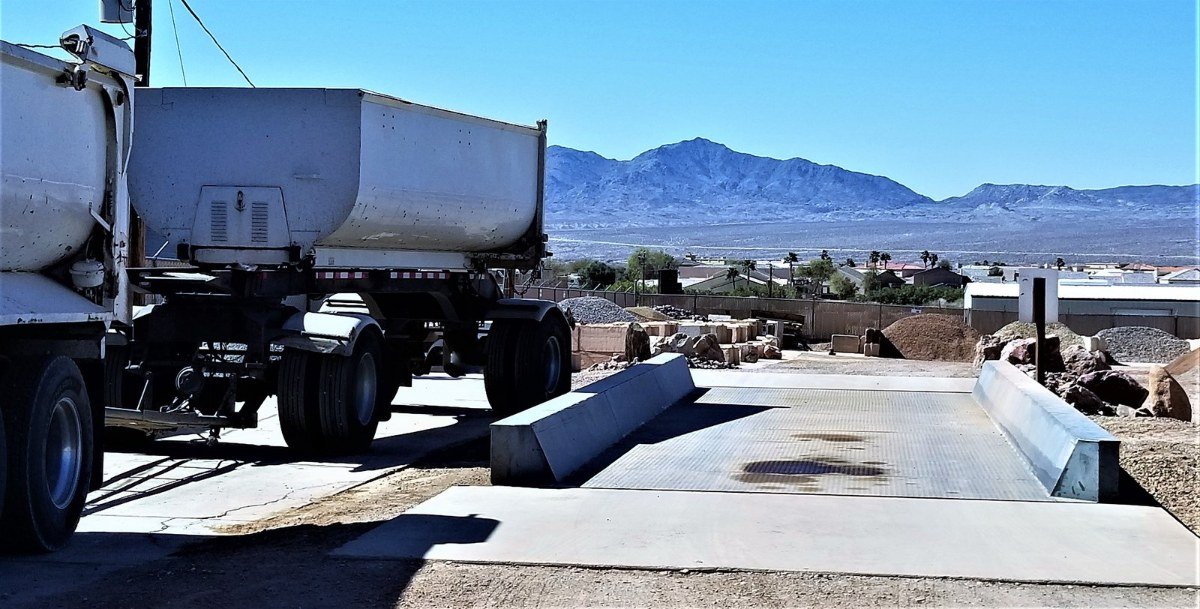
Pit vs pitless vs portable truck scales, deck length, capacity, foundations, NTEP and state certification, costs, and when renting a truck scale makes sense.
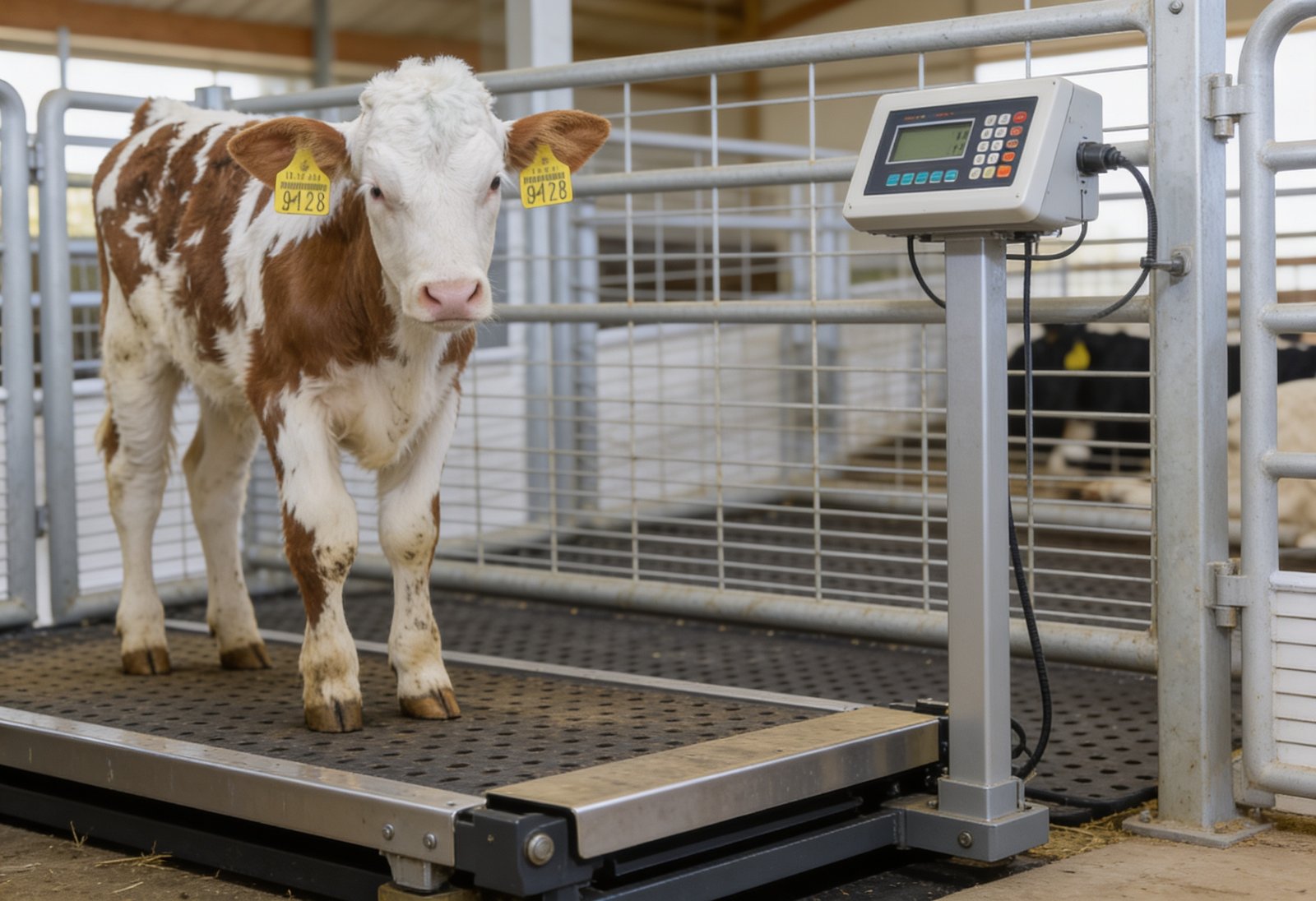
Compare livestock and cattle scale types, capacities, platform sizes, indicators with EID, portable vs permanent setups and prices — a neutral buyer's guide.
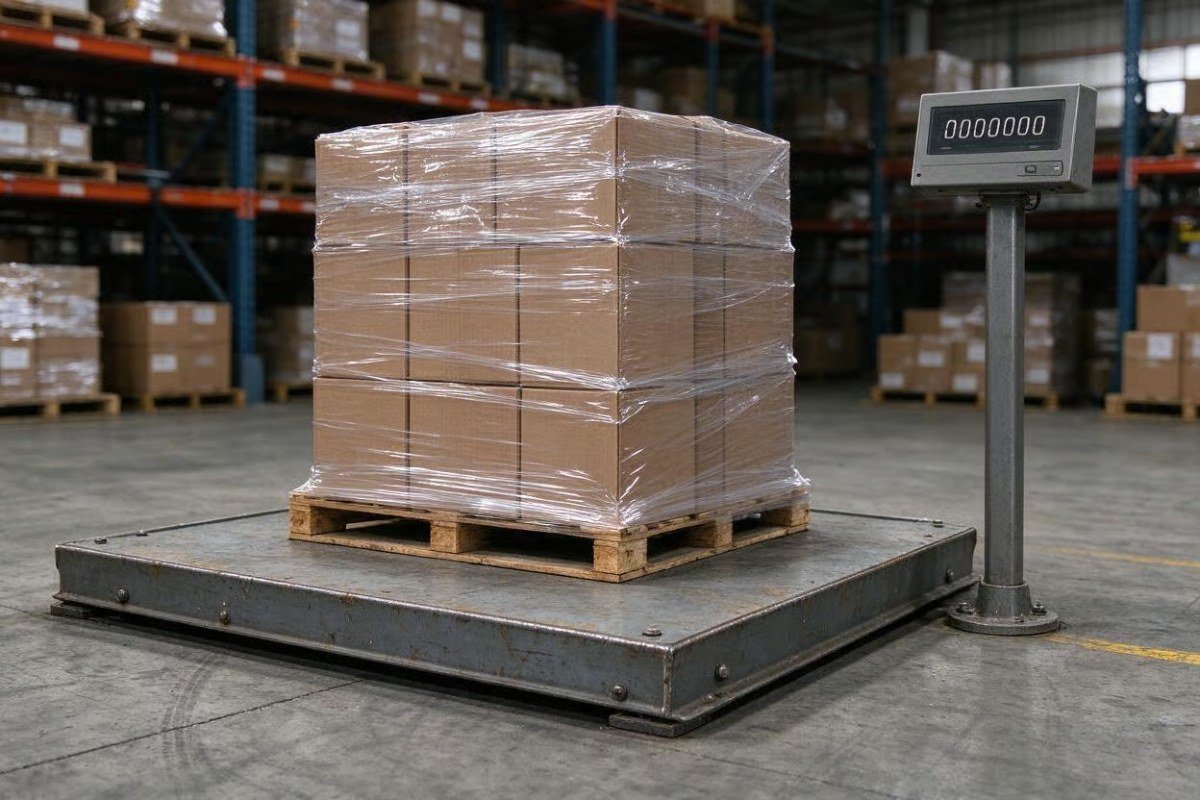
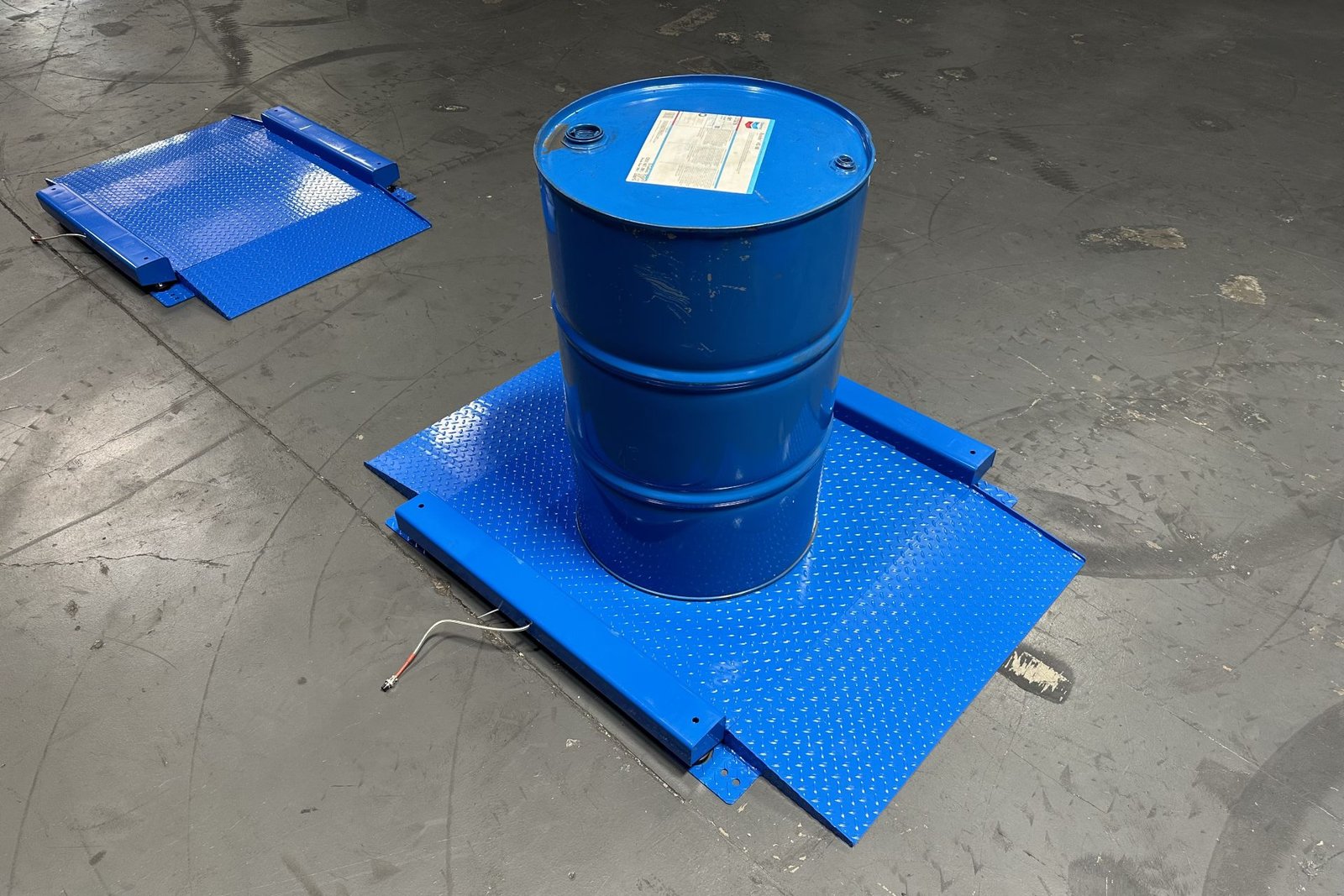
Floor (platform) scales explained: types, standard sizes, capacities, prices, NTEP and IP ratings, so you can pick one for pallets, drums and carts.
Truck axle weight limits explained: 20,000 lb single, 34,000 lb tandem and 80,000 lb gross on Interstates, plus the Bridge Formula and a free calculator.
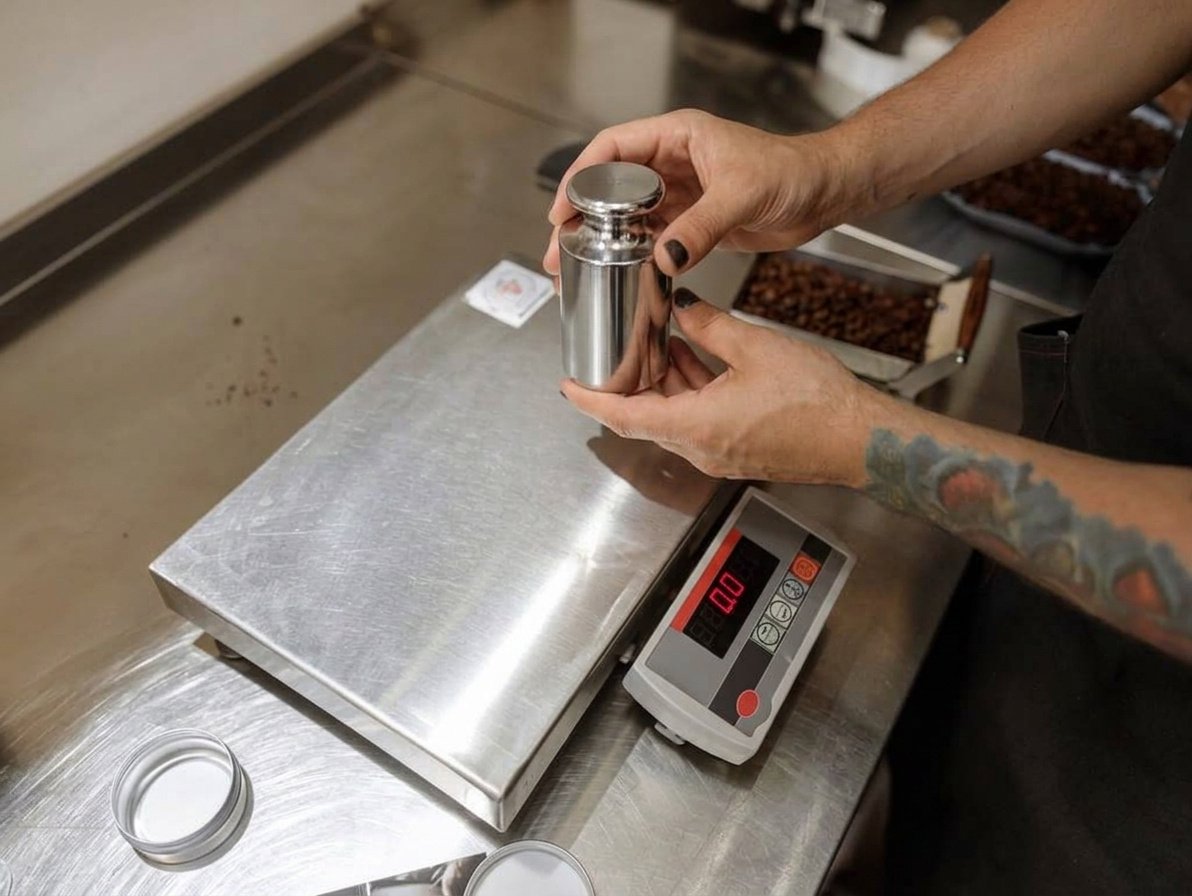
An analytical balance measures mass to 0.1 mg. Learn how it works, its parts, uses, how it compares to precision balances, and how to use one correctly.
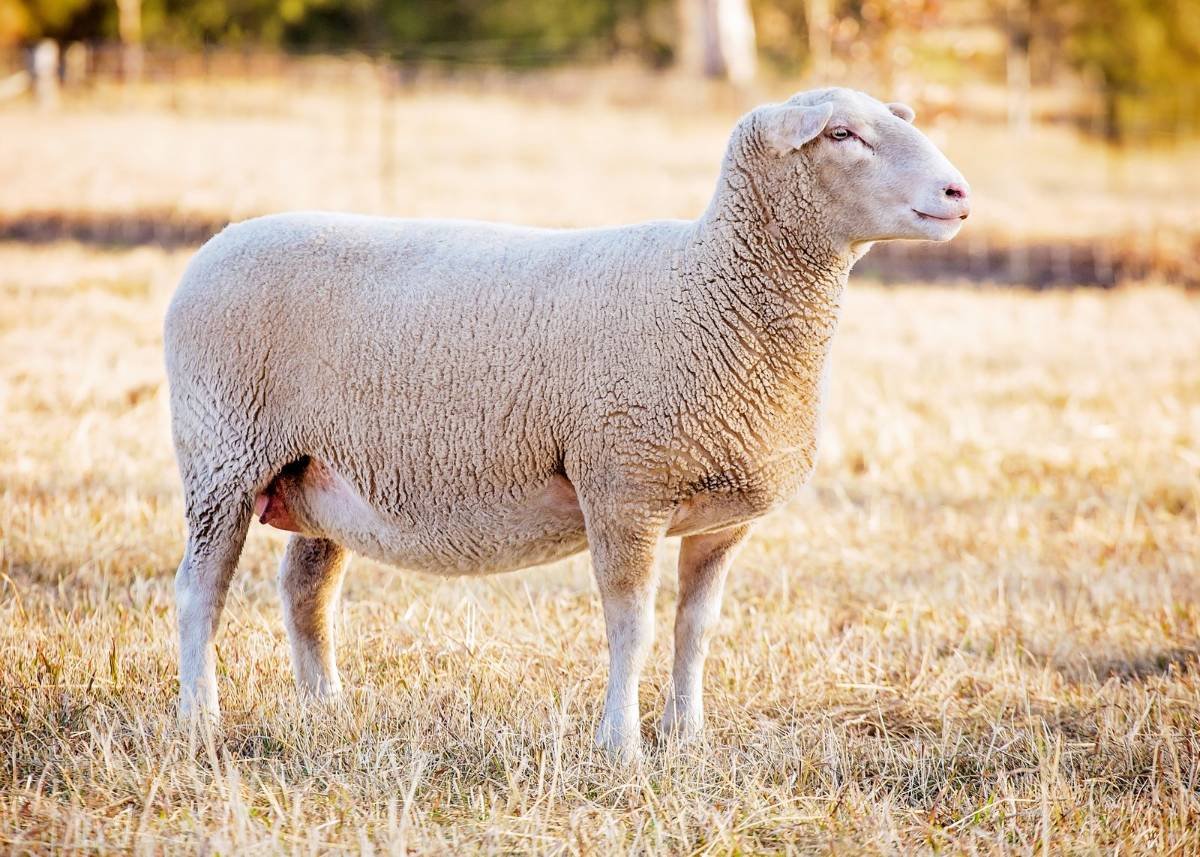
Average sheep weight by breed, sex and age in lb and kg, lamb weights from birth to market, plus a free sheep weight calculator using a tape measure.
Goat weight by breed: Nigerian Dwarf about 75 lb, dairy does 120–135 lb+, Boer does 200–225 lb, bucks 240–300 lb. Plus kid growth and weighing without a scale.
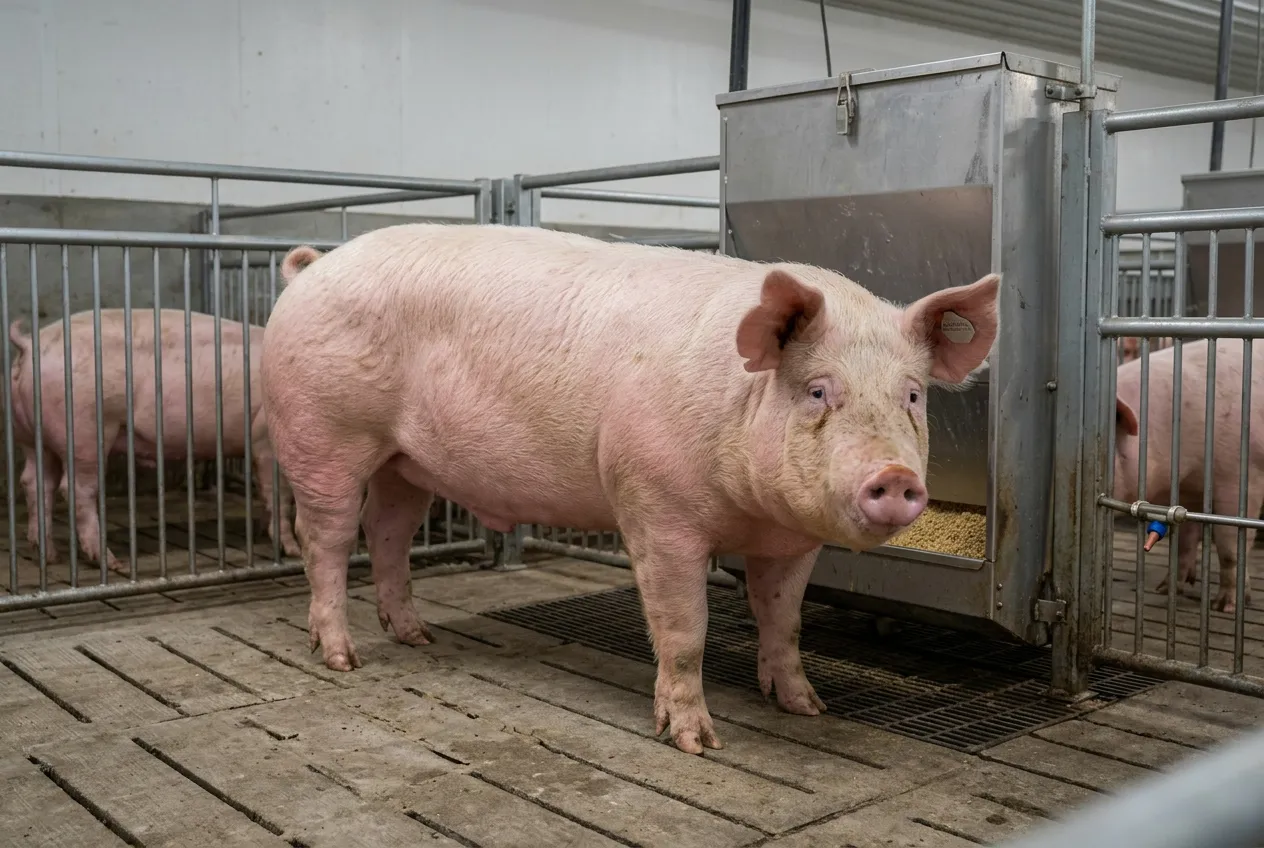
See average pig weight by age, from birth to 270-290 lb market weight. Includes the K-State heart girth formula to estimate weight without a scale.
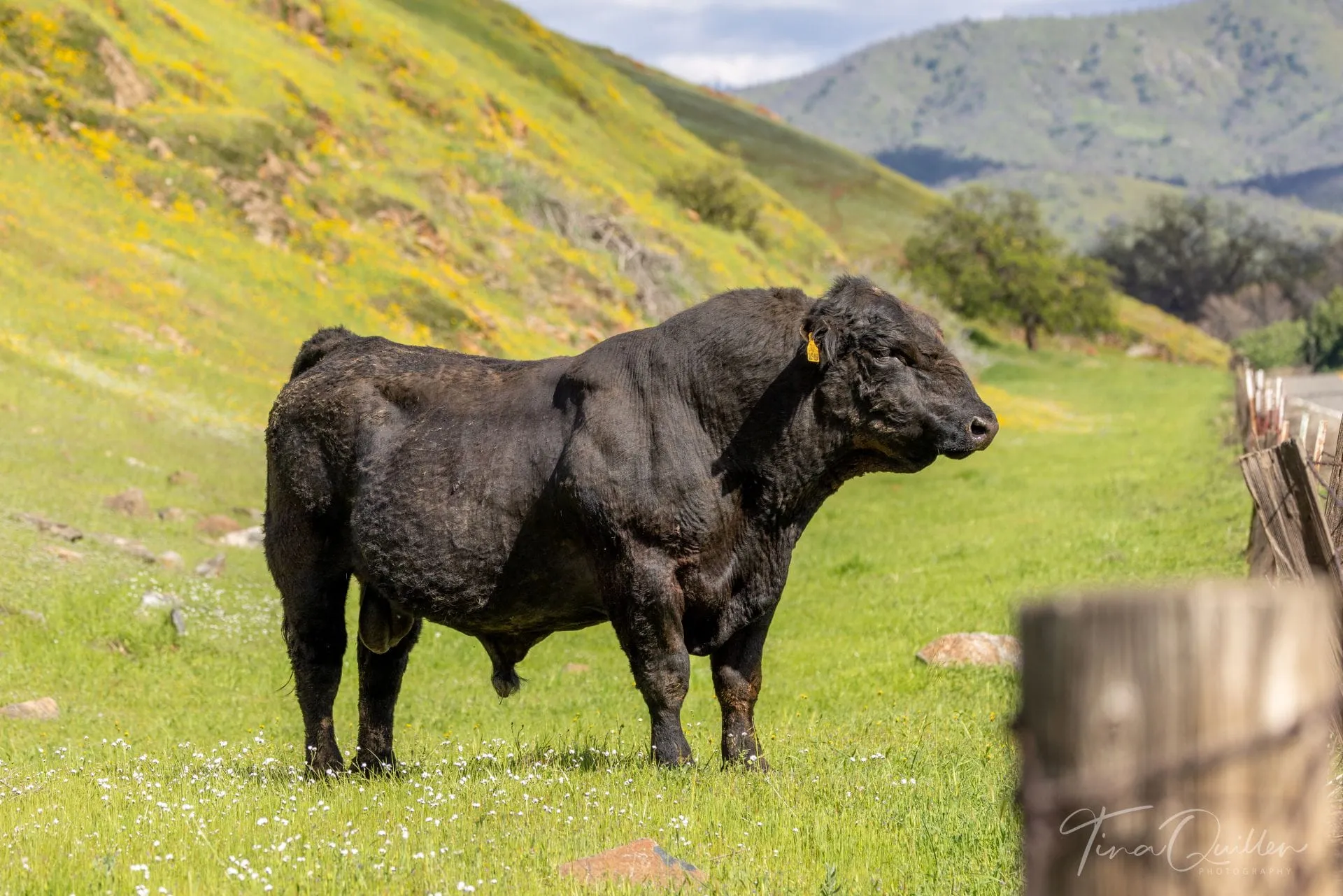
A mature beef bull weighs 1,700–2,300 lb (771–1,043 kg). See bull weight by breed and age, plus the 75%-by-age-2 target from university extension research.
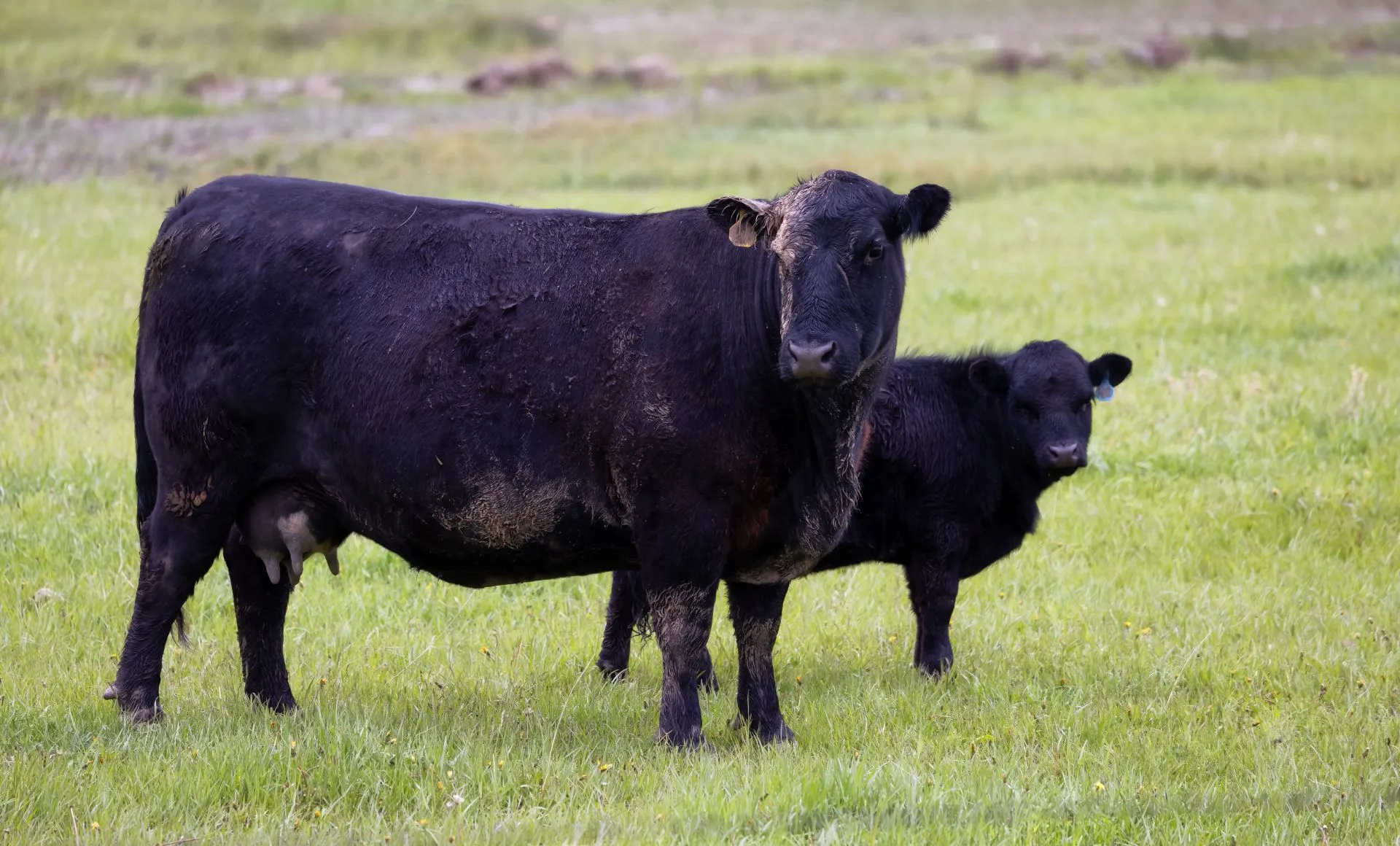
A newborn beef calf weighs 60–100 lb (27–45 kg) and 450–650 lb at weaning; Holstein calves average 89 lb at birth (USDA median). Chart by age and breed.
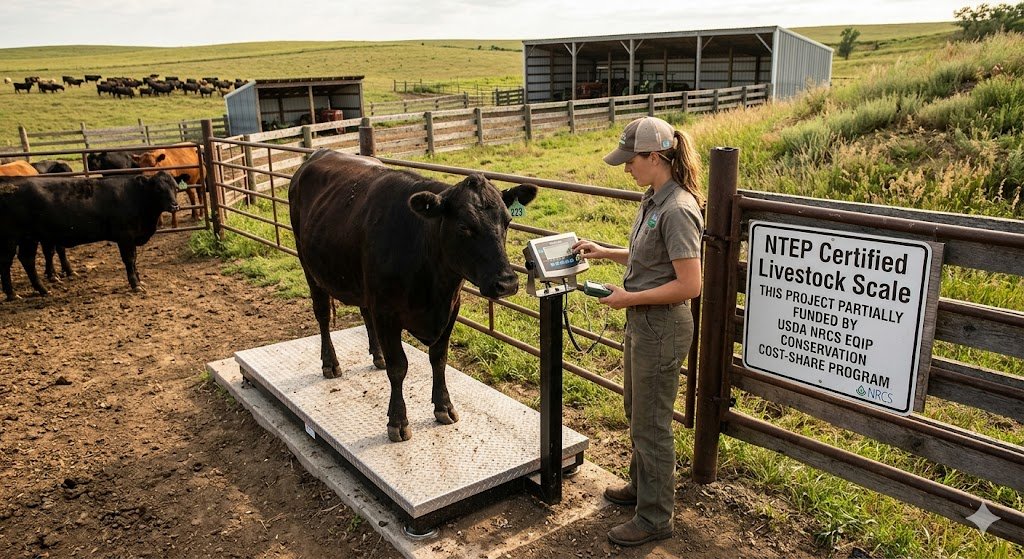
There is no “NRCS-certified” scale. What NRCS EQIP actually funds, the real 75–90% payment limits, when a farm scale needs NTEP certification, and how to apply.
A Bill of Lading is required for every freight shipment. The 8 required fields, why weight sets your freight class, the 5 BOL types, and what errors cost.
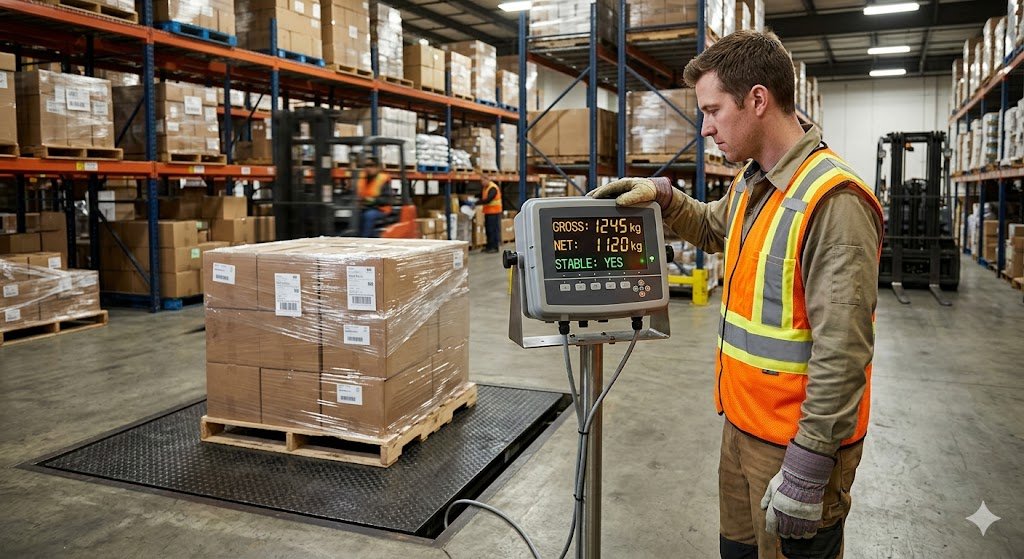
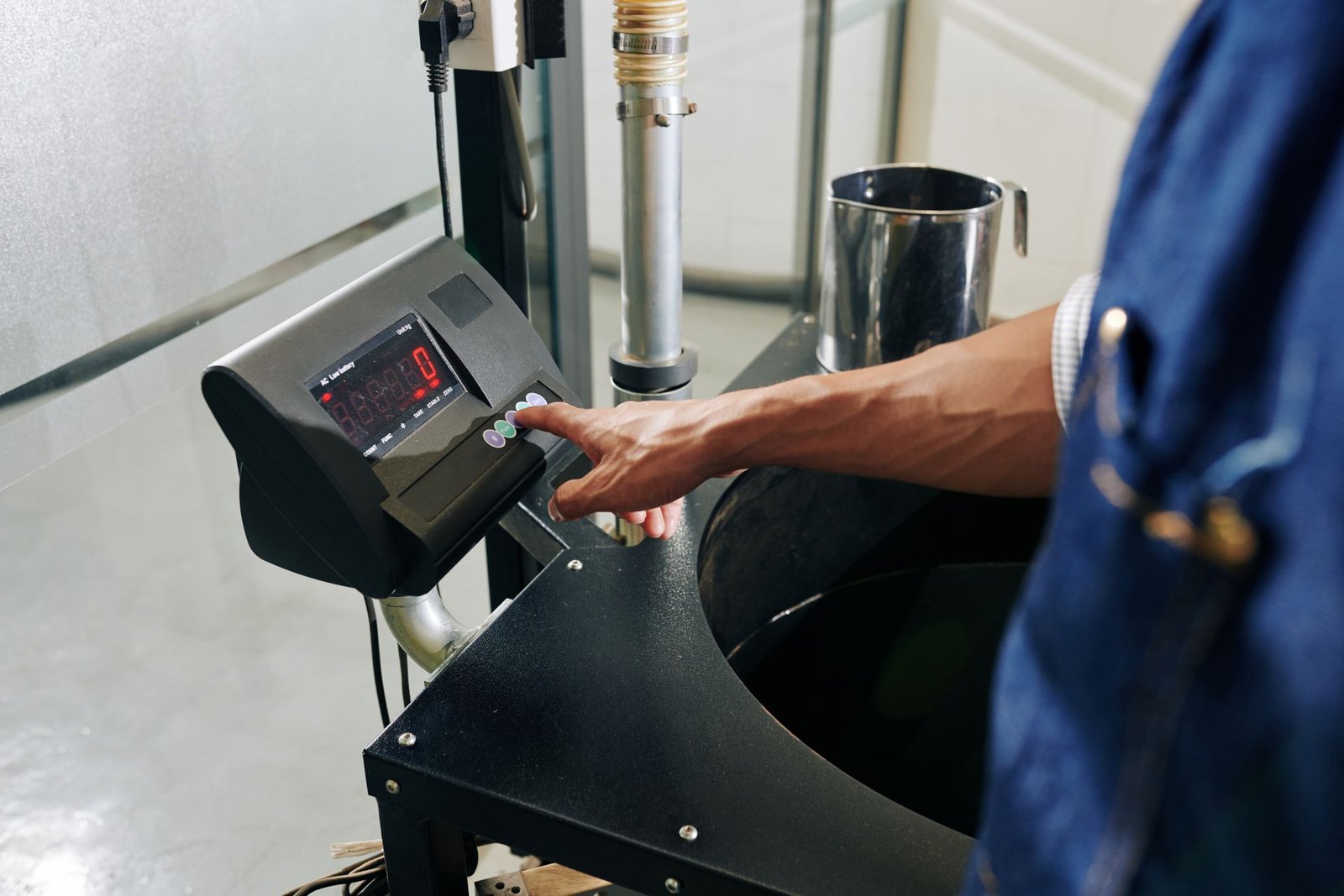
How to read a scale: gross vs net weight, zero vs tare, stability indicators, display symbols, and receiving and shipping workflows for warehouse operators.
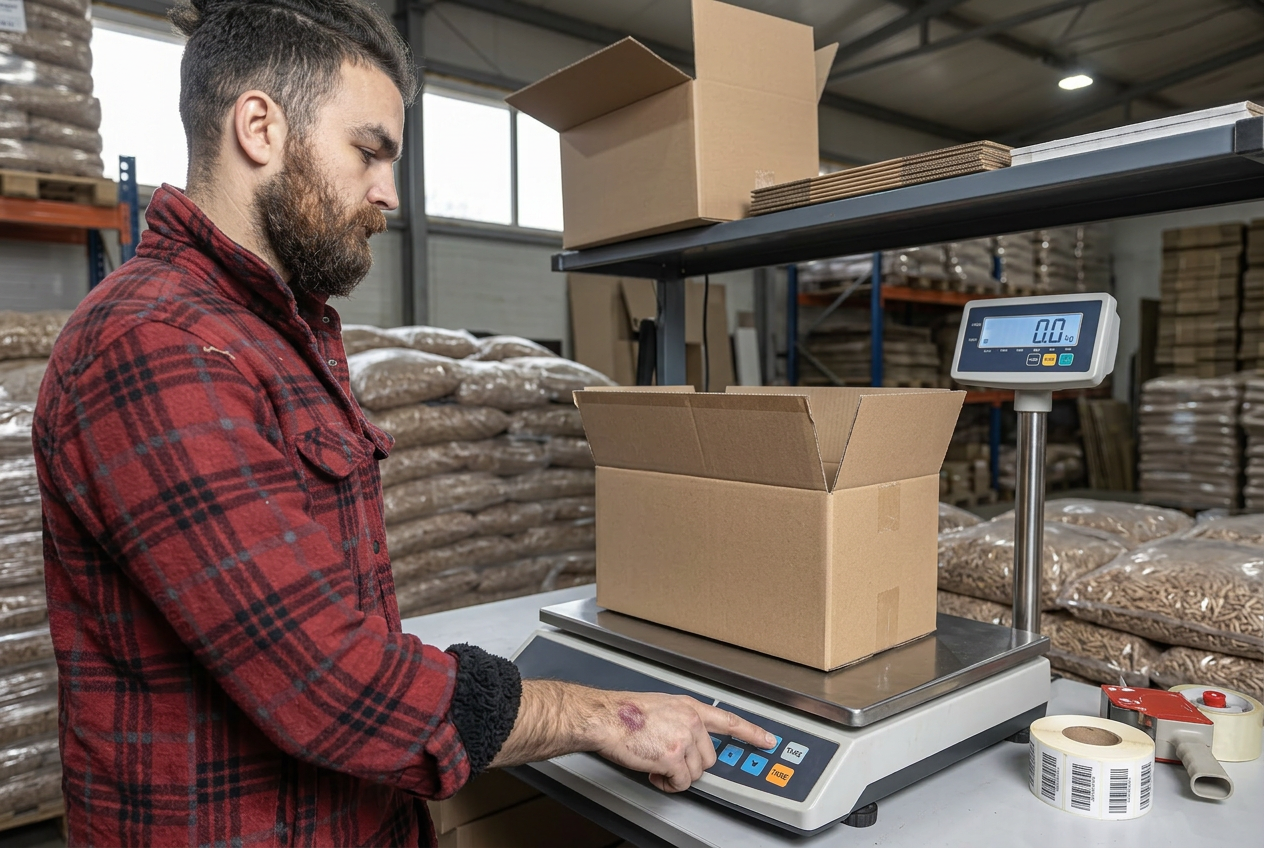
A bench scale is a compact weighing instrument for work surfaces. Definition, the four main types, industrial and food processing uses, and NTEP requirements.
Five ways to weigh a cow compared by accuracy and cost: scale, heart girth formula, weigh tape, body condition and visual. Plus which is required for sale.
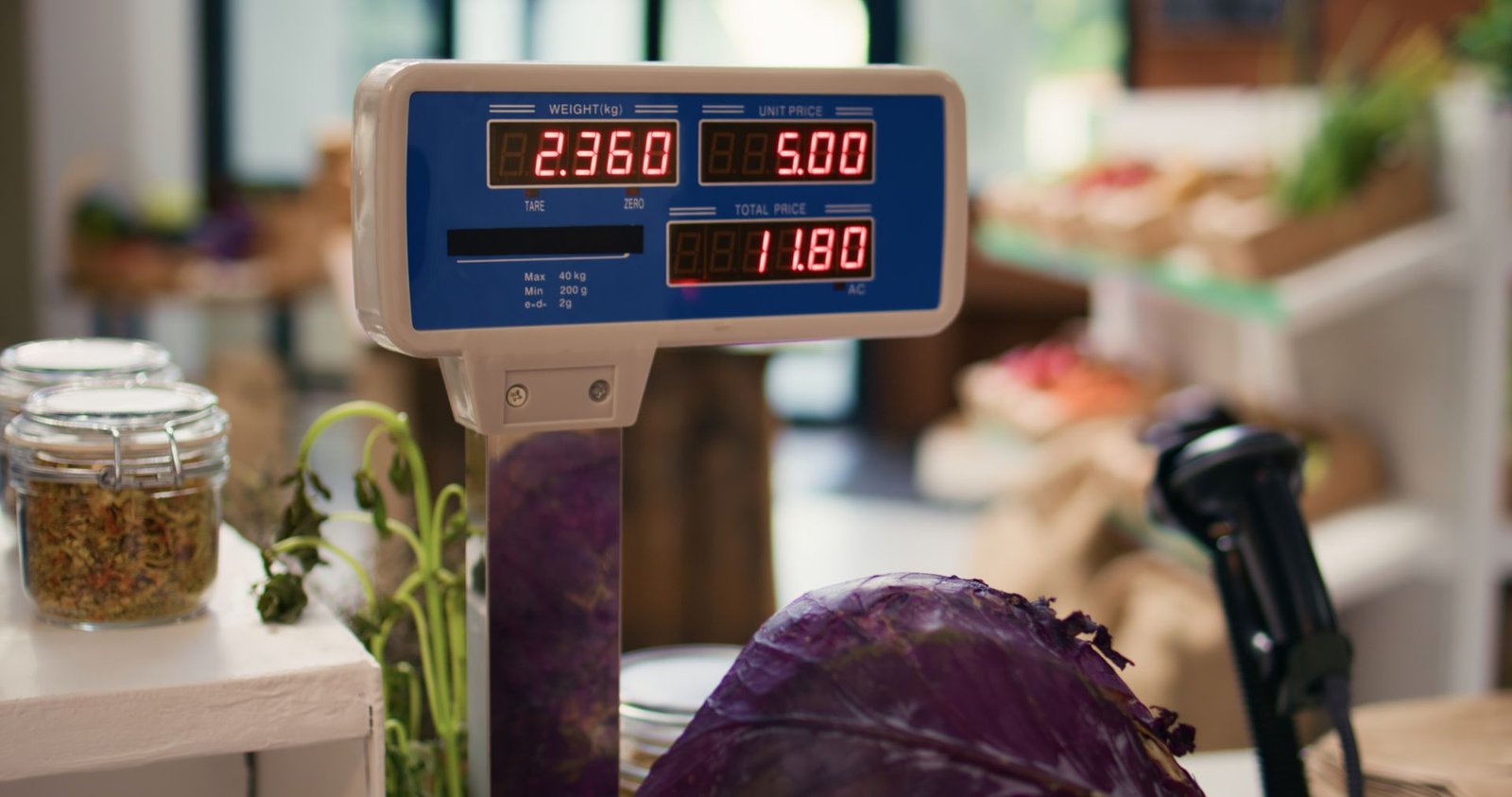
How a grocery POS handles produce sold by weight: PLU codes, POS scale integration, RS-232 and USB, tare weight and NTEP compliance working together.
Carriers charge whichever is higher: actual or dimensional weight. The DIM formula, the 2025 rounding rule, and worked examples for UPS, FedEx, USPS and DHL.
Checkweigher compliance explained: NIST Handbook 133 MAV tables, the two-rule test, FDA and USDA rules, and Handbook 44 Section 2.24 inspections.
Top loading balance or analytical balance? The readability, capacity, draft shield and application differences that decide which one your lab needs.
Analytical balance precision means repeatability, not readability. How it differs from accuracy, how to test it, and what it means for minimum weight.
A mature beef cow weighs 1,200–1,600 lb (545–725 kg); bulls 1,700–2,300 lb. Cattle weight by breed, age and sex from USDA, extension and breed data.
The tare function subtracts container weight and resets your scale to zero. How it works, the 4 types of tare, how tare affects capacity, and common errors.
A POS scale sends weight directly to your checkout register. How POS scale integration works, NTEP requirements, and how to check compatibility before buying.
Drum scale or hopper scale? The difference, when each is the right tool, the configurations available, and installation requirements for hopper scale systems.
How often should industrial scales be calibrated? Legal requirements, recommended intervals by scale type, events that need recalibration, and records to keep.
A crane scale weighs loads suspended from a crane or hoist. How they work, the types available, industrial applications, and what to look for before buying.
A counting scale counts parts by weight using average piece weight. How it works, when it's the right tool, and which specifications to check before buying.
All 5 retail scale types explained: price computing, deli, POS interface, postal and counting scales, plus NTEP, state inspection, NSF and POS connectivity.
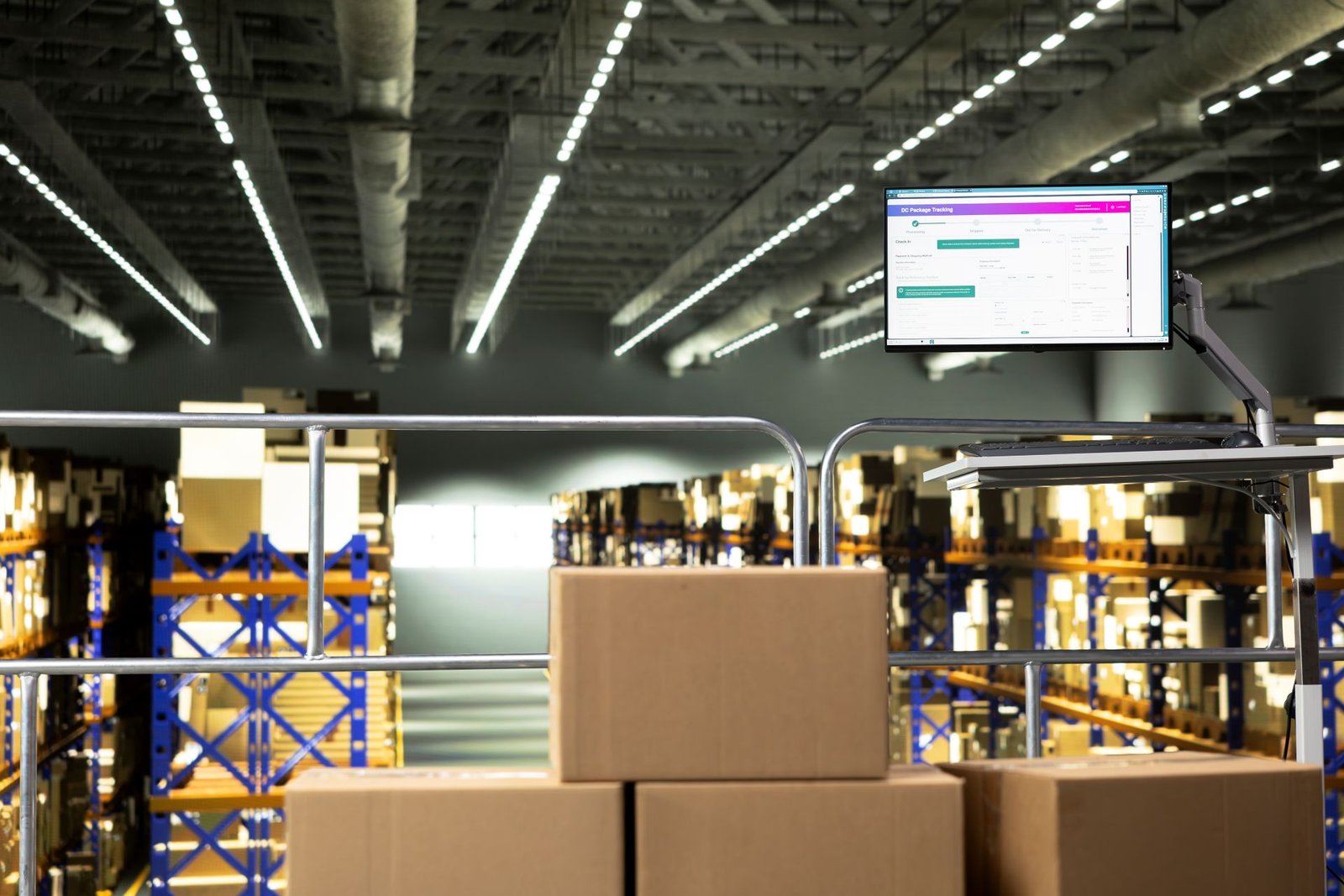
All 6 warehouse scale types explained: floor, pallet, bench, counting, pallet jack and forklift scales. Plus NTEP requirements and WMS integration.
The complete farm scales guide: livestock scale types, grain weighing equipment, EID integration, NTEP certification and durability for agricultural weighing.
A plain guide to laboratory balances — analytical, precision, micro and moisture balances compared, accuracy factors, GLP/GMP basics and how to choose.
Parcel, bench, floor and pallet shipping scales compared — capacity, readability, carrier billing rules and the best shipping scale for small businesses.
ISO/IEC 17025 requires traceable calibration, reported uncertainty and a decision rule for lab balances. What accreditation demands and how to comply.
USP Chapters 41 and 1251 were revised effective February 1, 2026. What they require, what changed, and how to choose and qualify a balance that complies.
GLP and GMP both require calibrated, documented lab balances, but their rules differ. What each demands, from equipment qualification to data integrity.
Internal or external lab balance calibration: how each works, which reference weight classes to use, GLP/GMP documentation and how often to calibrate.
A moisture analyzer measures moisture by loss on drying in minutes, replacing hours of oven testing. How it works, the types, and when you need one.
Forklift scale or pallet jack scale? Both weigh pallets without a floor scale. Compare accuracy, NTEP certification, capacity and workflow to choose.
NTEP-certified shipping scales must be calibrated at set intervals. The legal requirements, how often calibration is needed, and which records to keep.
Weight-based carrier adjustments cost businesses thousands monthly. Six root causes, seven packing-station fixes, and tools that catch billing errors early.
SOLAS VGM requires a verified container weight before vessel loading. What it is, the two legal methods, who is responsible, and which scale you need.
What a pallet scale is, standard sizes and capacities, costs, and how to pick one that matches your carrier's weights. Practical guide for shippers.
Vibration, air currents, temperature, and static electricity affect lab balance accuracy even when perfectly calibrated. Learn the specific fix for each factor.
Choosing an analytical balance: readability, capacity, internal vs external calibration, connectivity, installation environment and GLP/GMP compliance.
Analytical, precision, semi-micro and microbalance: what each laboratory balance is built for, its readability and capacity range, and how to choose.
A laboratory balance measures mass with precision commercial scales can't match. What it is, how it differs from a scale, and which type your lab needs.
LTL freight cost is driven by weight, density and freight class. How pricing works, what the 2025 NMFC changes mean, and why accurate weighing matters.
Parcel scale or freight scale — which does your operation need? Here's the weight threshold that separates them, what each is built for, and how to decide.
A shipping scale measures package weight so carriers charge you correctly. What it is, the types available, and whether your business needs one.
The cattle weight formula is Heart Girth² × Body Length ÷ 300 = weight in lbs. Worked examples, accuracy limits, breed adjustments, and a quick reference table.
Retail scales must be calibrated annually under NIST Handbook 44. What the law requires, what triggers immediate recalibration, and how to stay compliant.
Learn how to set up and use a price computing scale correctly — leveling, zeroing, PLU programming, tare, test weighing, and daily maintenance — in ten steps.
A label printing scale weighs products and prints a price-embedded barcode label for checkout. What it does, what it prints, and whether you need one.
Selling by weight at a farmers market? Your scale must be NTEP-certified and inspected before your first sale. The complete guide to farmers market scales.
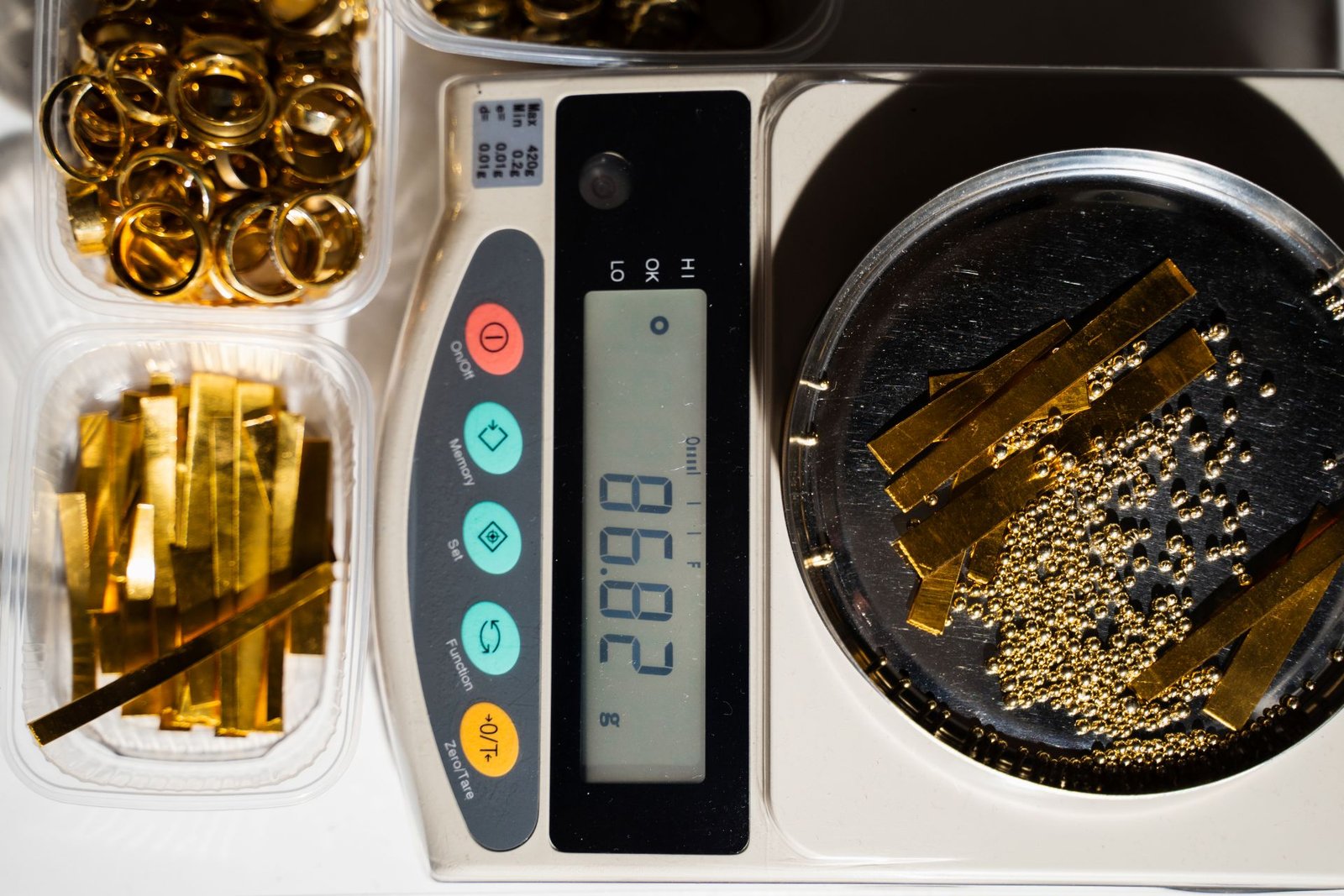
At $30+ per gram of gold, a 0.1 g error costs $3 per sale. NTEP Class II rules, legal-for-trade certification, and what ct, dwt and ozt mean on your scale.
Grocery stores need five scale types: produce, deli, POS interface, checkout and receiving scales. What each does and how to choose the right one.
A deli scale weighs and prices food at the counter, with PLU memory, label printing and NTEP certification for legal-for-trade use. What to look for.
NTEP certification is legally required for scales used in commercial transactions based on weight. What it is, how it works, and when your business needs it.
Choosing a retail scale? NTEP certification, capacity, PLU count, dual display, platform material and every other decision, in the right order.
A price computing scale weighs an item and calculates the total price automatically. How it works, what PLU keys do, and why retail use requires NTEP.
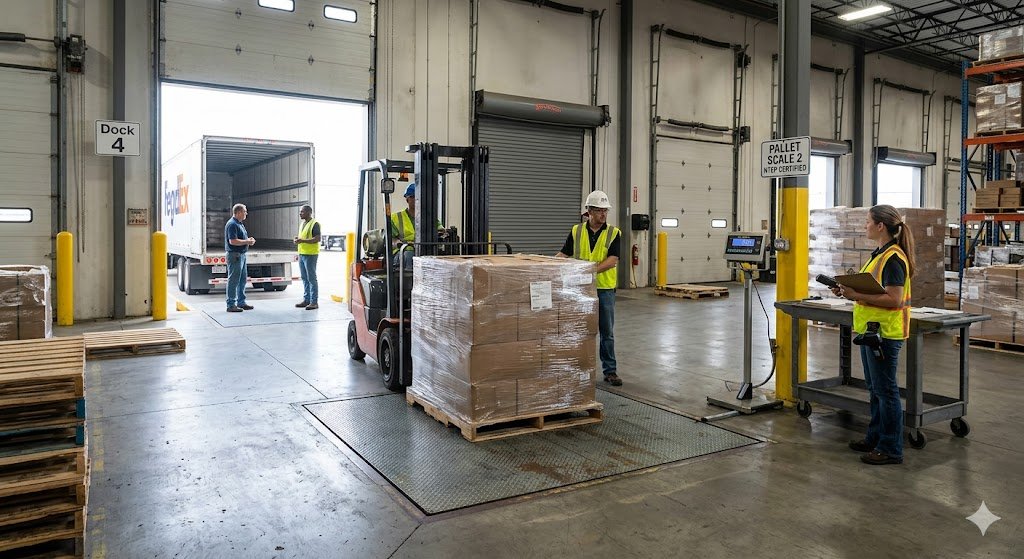
Inbound weighing catches supplier shortages before the driver leaves; outbound weighing prevents carrier reweigh adjustments. How both work.
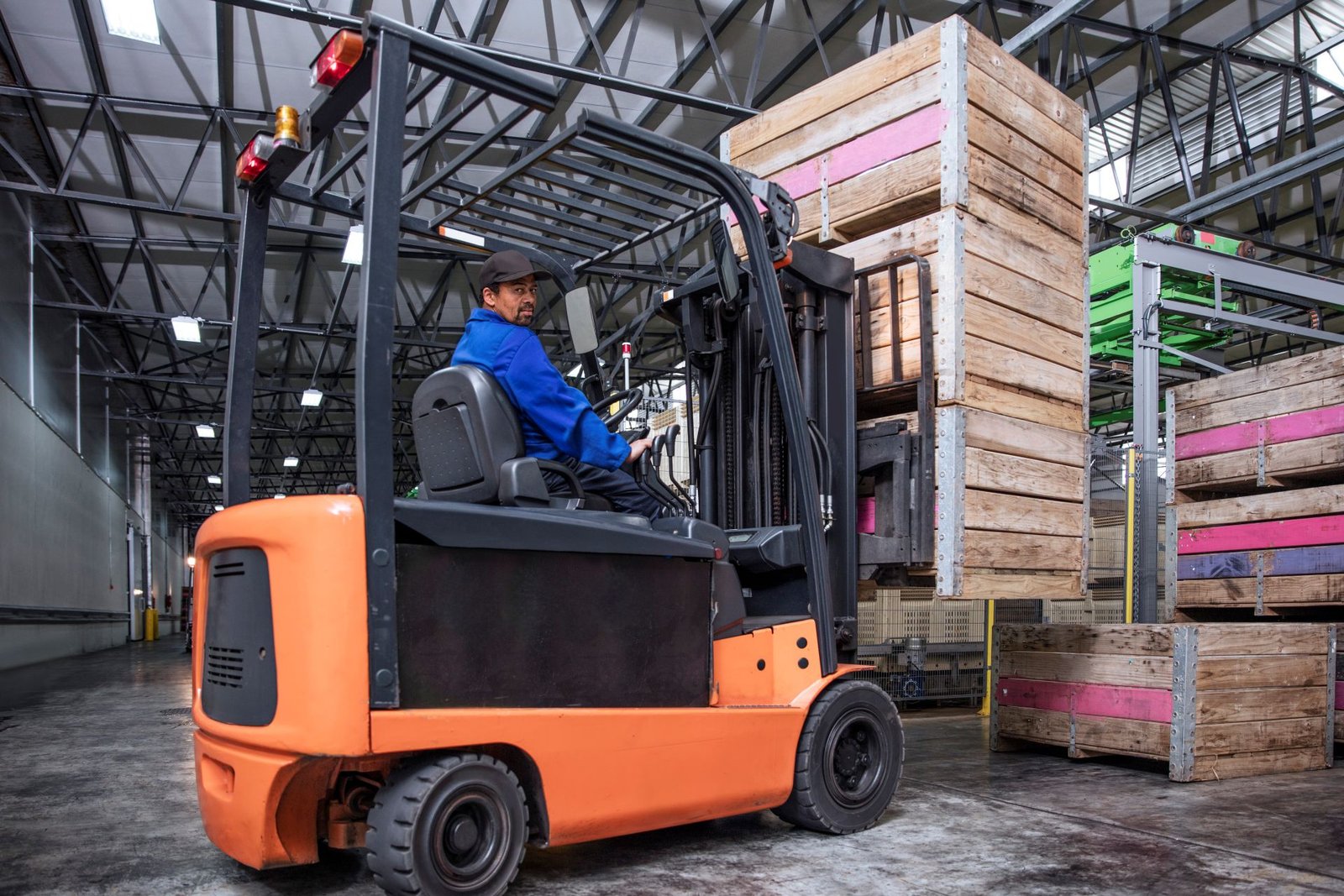
Hydraulic or load cell? Compare forklift scale accuracy, NTEP certification, and cost to choose the right on-board weighing system for your fleet.
Scale-to-WMS integration removes manual weight entry and creates an auditable weight record. How the connection methods and integration architectures work.
Warehouse scale calibration prevents carrier adjustments, receiving errors and compliance failures. The right frequency by scale type and a 7-step check.
A parcel scale weighs packages before dispatch for carrier billing and label accuracy. Types, platform options, NTEP certification and how to choose one.

Inaccurate package weighing generates carrier invoice adjustments, DIM weight premiums, and rounding errors. Here is how accurate weighing eliminates each one.

The tare function subtracts packaging weight so your scale shows net product weight. How it works, the types available, and the mistakes that cost money.
Choosing a shipping scale? This guide covers capacity, readability, platform size, USB connectivity, NTEP certification, and the most common mistakes to avoid.
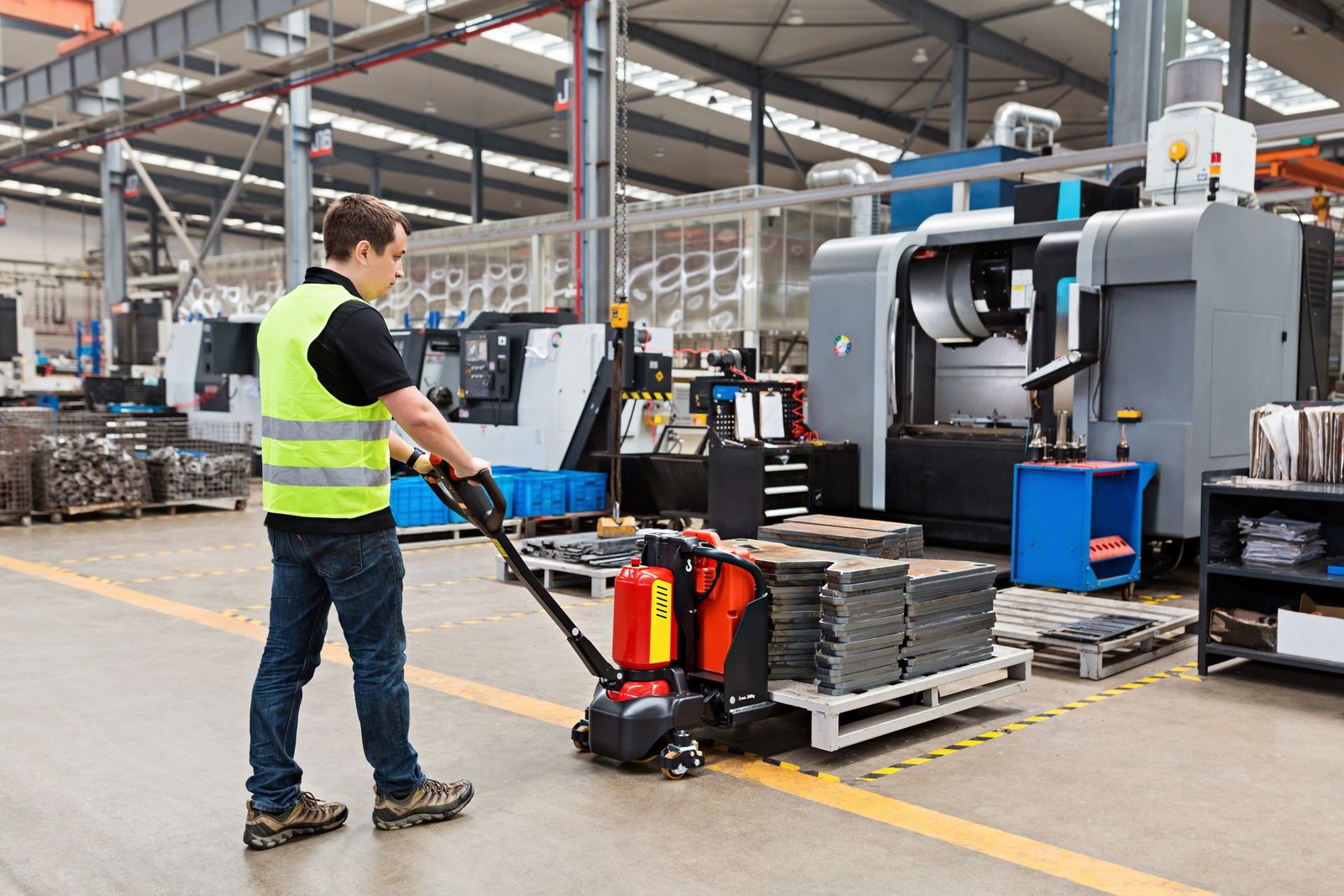
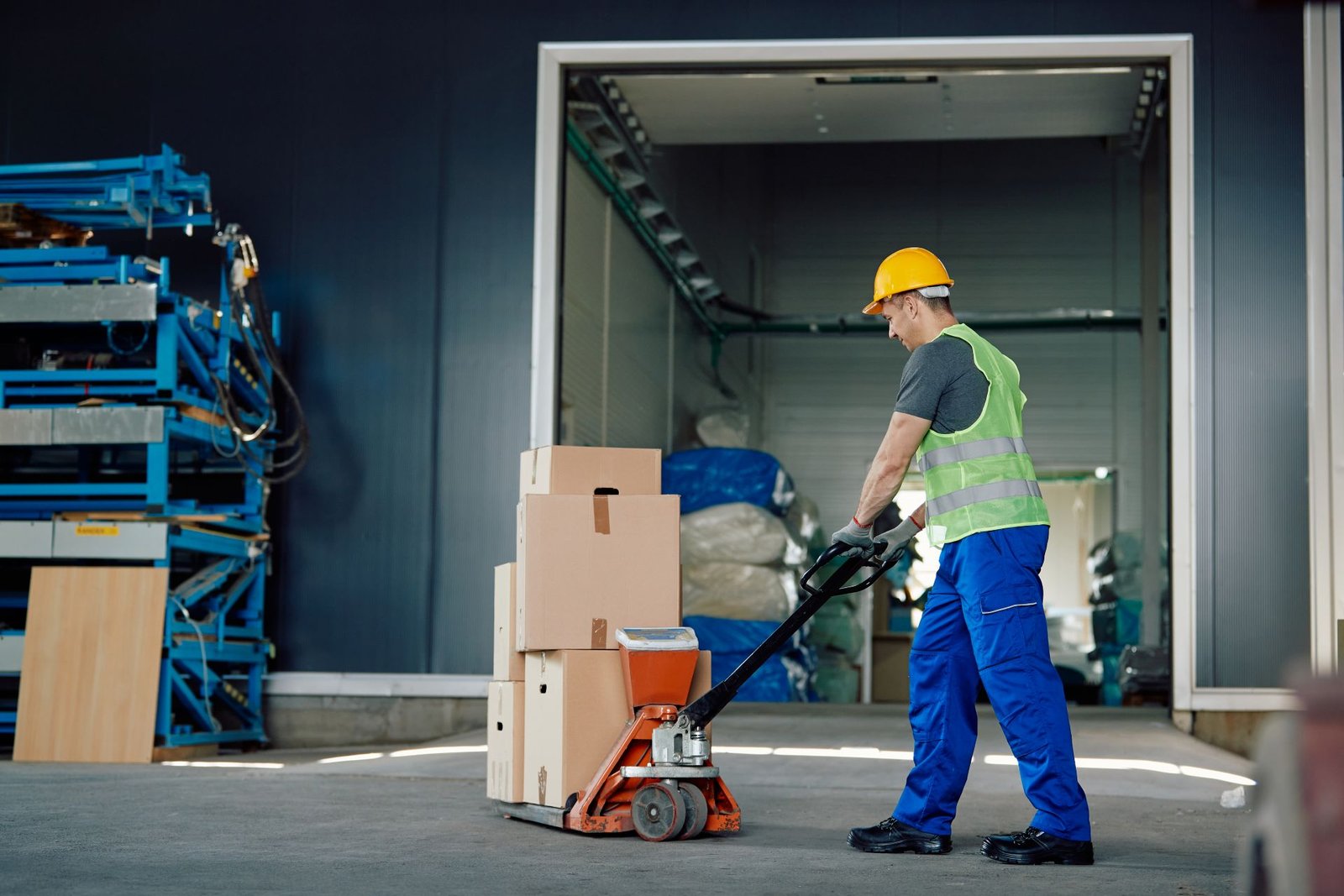
How a pallet jack scale weighs loads on the move, manual vs electric models, NTEP accuracy, costs, and when a pallet jack with scale beats a floor scale.
Stainless steel or mild steel industrial scale? It depends on your environment. Food processing, washdown, warehouse and outdoor applications compared.
Choosing a crane scale for heavy industrial lifting? This guide covers capacity, rigging weight, accuracy, wireless display, IP rating, and NTEP certification.
Bench scale or floor scale? The right answer depends on load size, working height, and workflow — not just capacity. Here's how to choose correctly.
A checkweigher weighs products in motion on a production line. How checkweighing works, when one is legally required, and what to look for before buying.

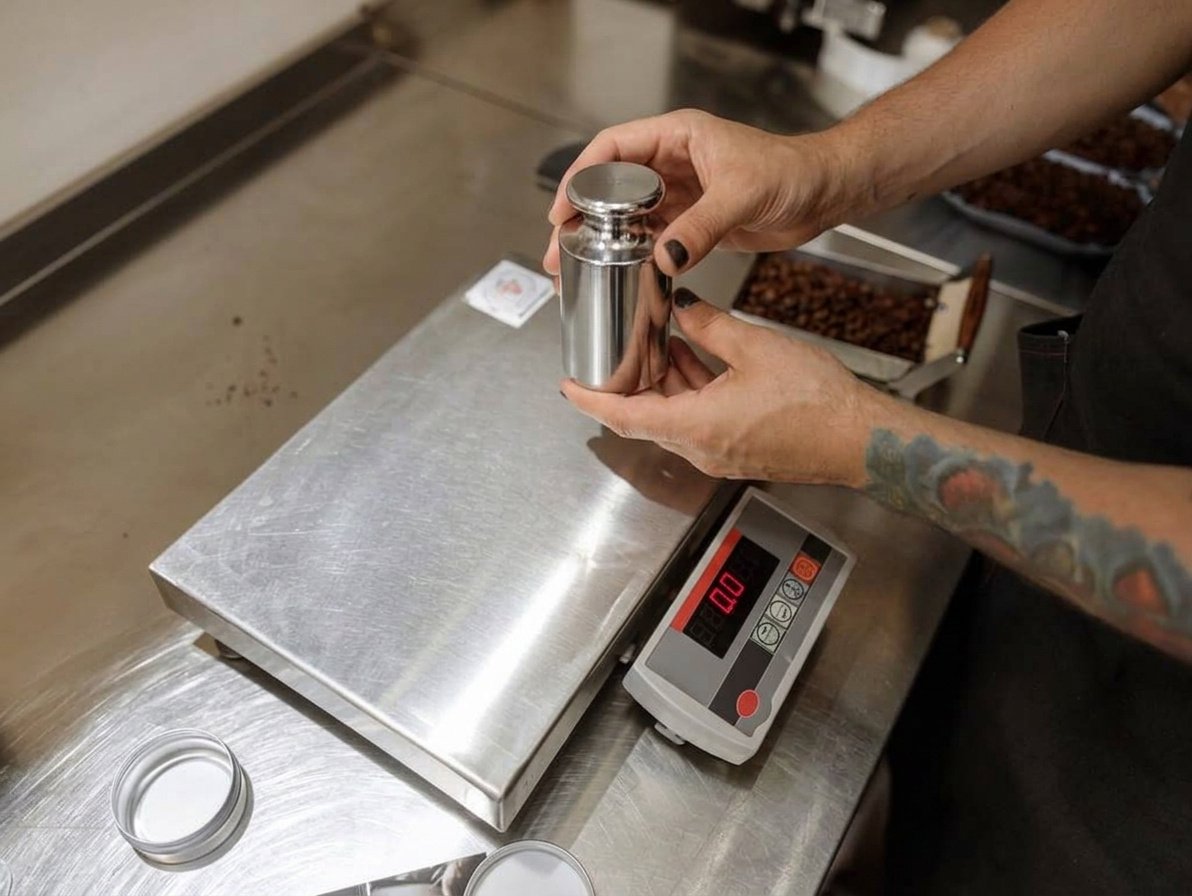
IP65, IP67, and IP69K explained for industrial scales. What each rating protects against, what it does not, and which one your environment needs.
Choosing a floor scale for a warehouse or factory? This guide covers capacity, platform size, IP rating, NTEP certification, and deck material.
Grain loses weight in storage — and most farmers don't know how much. Here are the real causes of grain weight loss during storage and how to minimize them.
A farm platform scale costs $3,000–$20,000; a truck scale $50,000–$150,000. When each is justified, and when the cheaper option does the job.
EID tagging connects electronic ear tags to livestock scales to automate weight recording. Here's how the technology works and whether your farm needs it.
Setting up a livestock scale and chute system? This step-by-step guide covers siting, foundation, load cell installation, indicator setup, and animal flow.
Choosing a scale for weighing pigs at market weight? This guide covers the right capacity, platform size, accuracy, and features for pig finishing operations.
Tracking cattle weight gain over time turns raw weights into profit decisions. Here's how to measure ADG, set benchmarks, and use the right tools on farm.
Animal weight readings on farm scales are often wrong — and most farmers don't know why. Here are the real causes of inaccuracy and exactly how to fix them.
Shopping for a portable livestock scale? Here's exactly what to check before you buy — capacity, platform size, load bars vs crush scales, and durability.
How often should you weigh livestock? This practical guide covers weighing frequency for cattle, pigs, sheep and more — with tips to improve accuracy on farm.
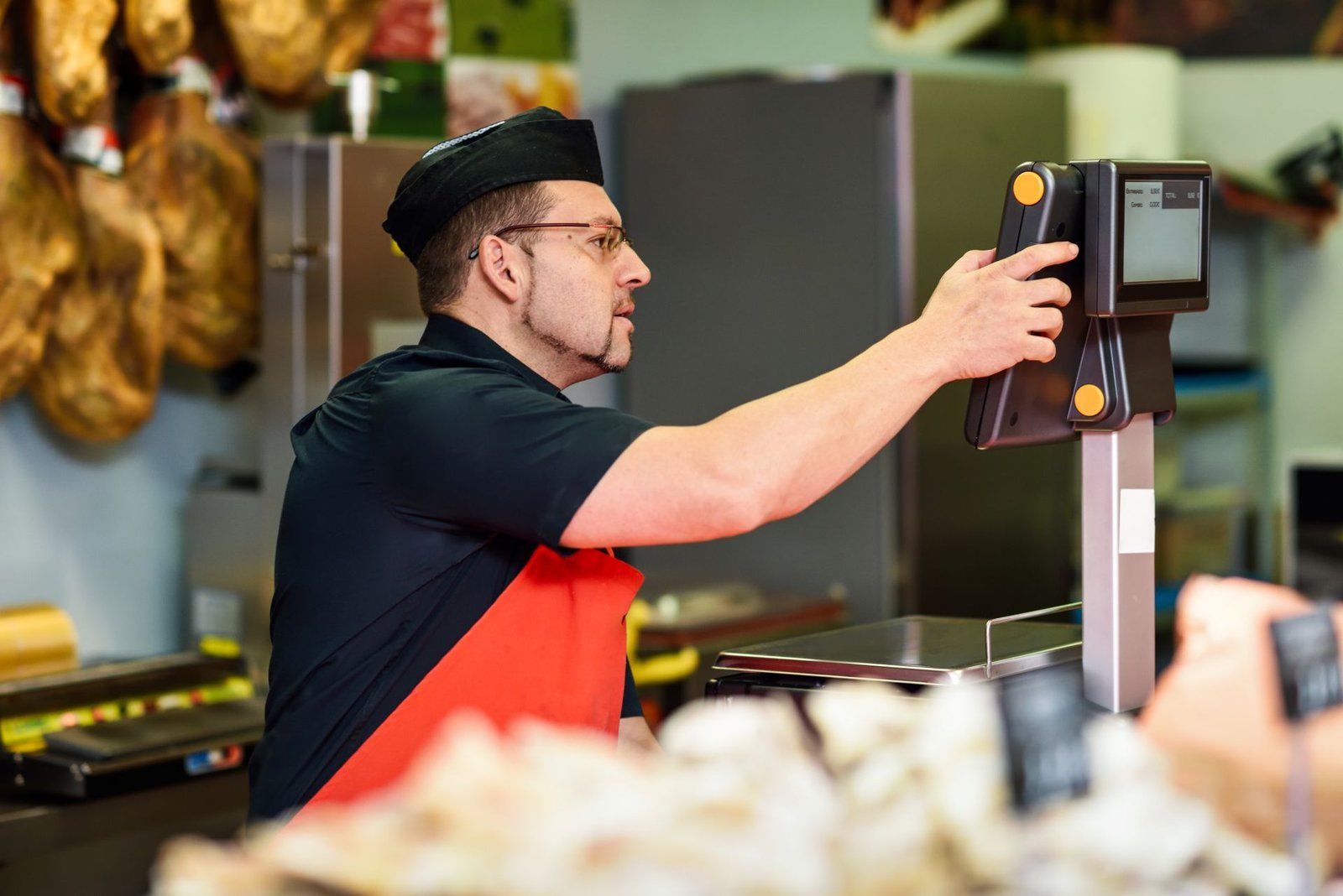
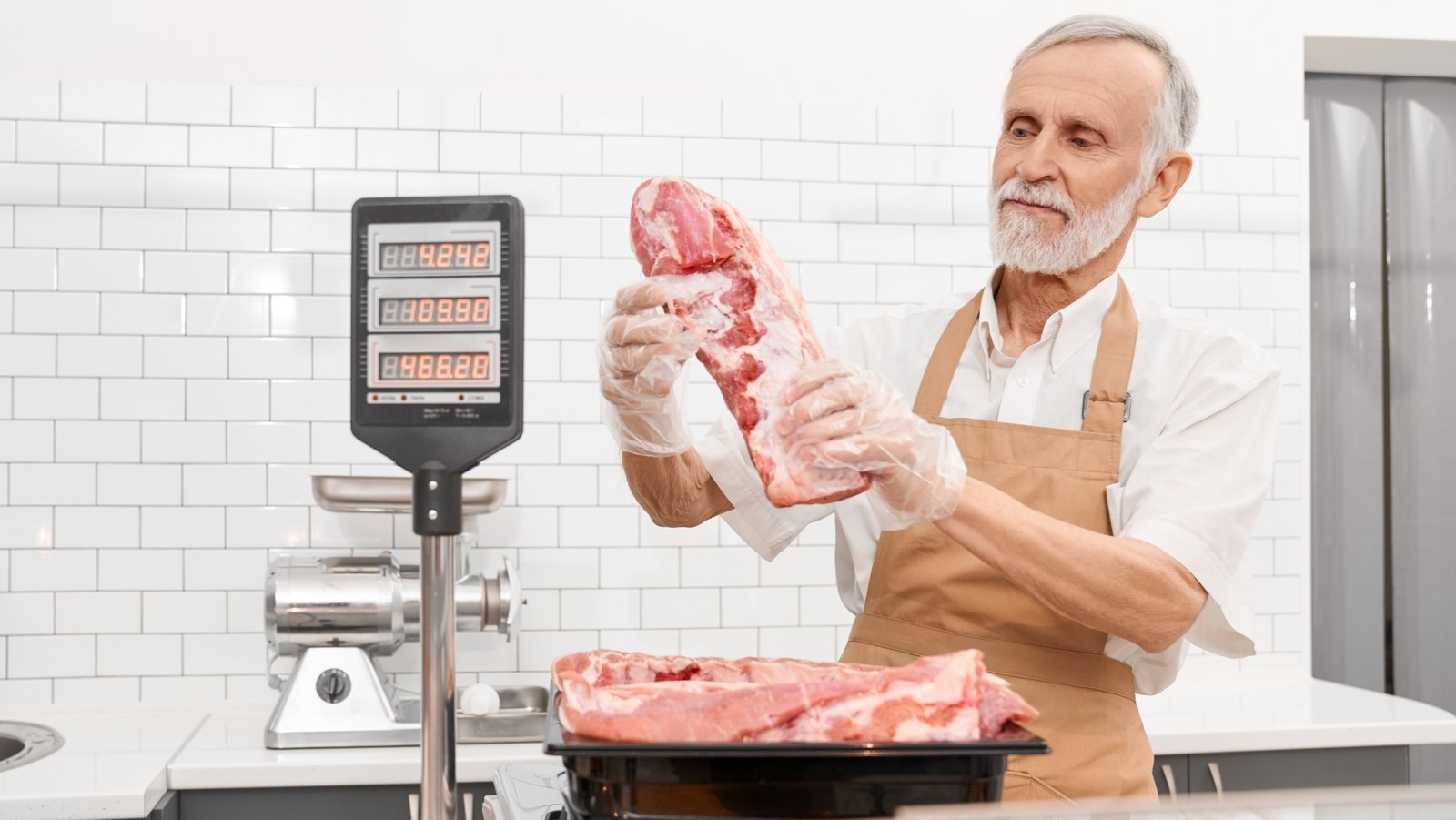
Choosing a scale for a butcher shop starts with one legal requirement: NTEP Class III certification. This guide covers types, features, and what to look for.
A standard scale in a hazardous location isn't just unsafe, it's illegal. Which NEC Class/Division or ATEX Zone applies and which certified scale you need.
UPS and FedEx use a 139 DIM divisor, and since July 12, 2026 USPS does too (was 166) for parcels over 1 cubic foot. Formula, rounding rules and examples.
Need to weigh cattle without a scale? Heart girth, body condition scoring and visual estimation give farmers fast, reliable weight estimates.